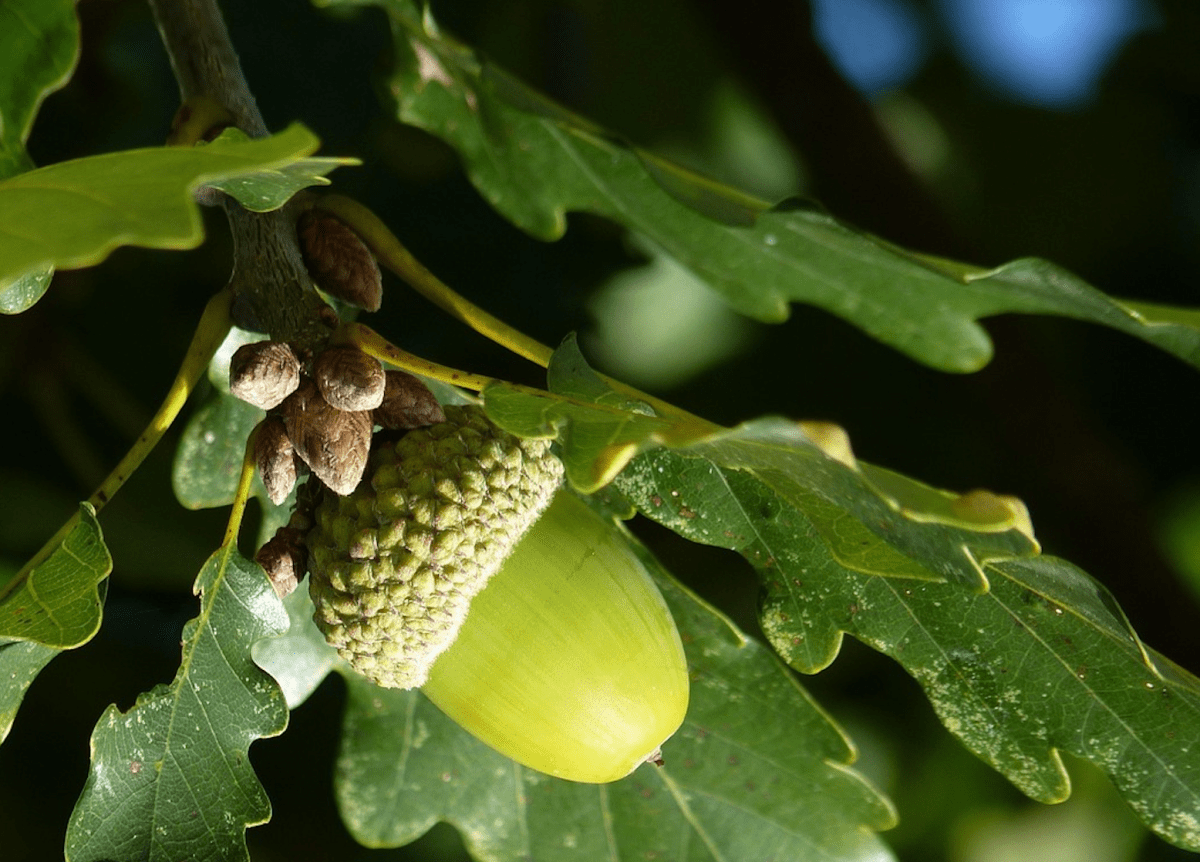
Featured Image Credit (edited) by Sweetaholic on Pixabay
Click here to read Part I. Efficiency
On Teleology: II. Illustration
An acorn is the ‘fruit’ of the oak tree – and go ahead with your own favourite fruit-bearer, but as for me, I once lived next to an oak tree.
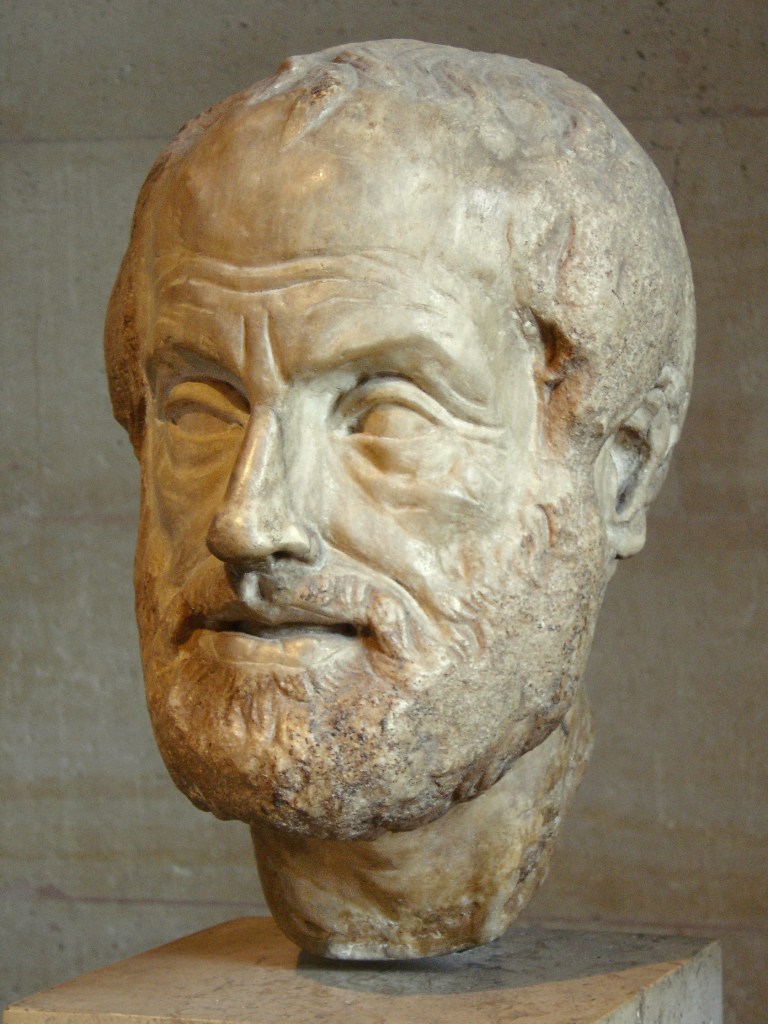
Copy of the Imperial era (1st or 2nd century) of a lost bronze sculpture made by Lysippos
(Wikipedia: Eric Gaba, User: Sting)
Aristotle used the acorn to help illustrate his understanding of teleology. He was addressing general questions like…
- ‘What is something really for?’
- ‘What is something’s ultimate purpose?’
- ‘What is the mark of its fulfillment or completion?’
In not so many words, he was asking, ‘What’s an acorn’s goal, its telos?’ as though an acorn has some objective. In response to his own query, Aristotle proposed the ultimate goal of an acorn, the completion of its purpose: to be an oak tree.
That seems like a reasonable proposal to me although whether someone else might interpret it as being either an inherent or an imbued purpose – if that’s even a distinction – is another question, as noted in Part I.
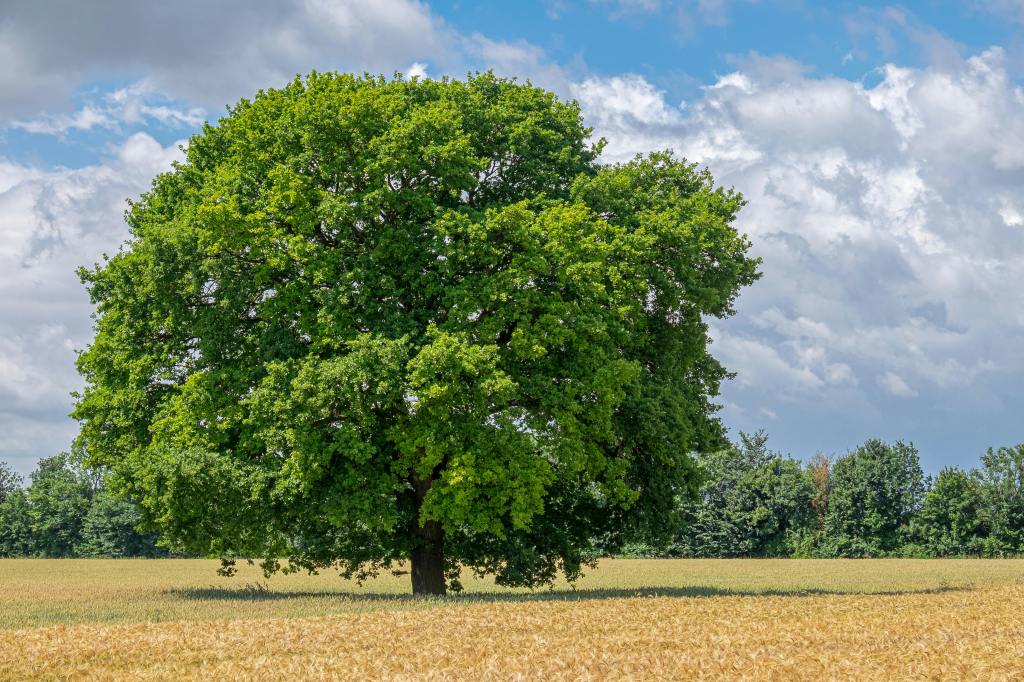
Besides the acorn illustration, Aristotle also noted some other distinctions about teleology, one being sub-ordinate orders of telos, each in service of the next – for example, in warfare, as the telos of a weapon is killing the enemy, so the telos of warfare itself is victory. Aristotle asked further still, “What are the right conditions to bring telos to fruition?” …so, for the acorn to become an oak tree, how much sunlight, how much rain, what kind of soil, and so forth.
The concept of teleology may now be fairly clear, so what about that earlier question – is telos something inherent or imbued, intrinsic or intentional? And how do we even attempt to reach some answer?
Maybe Science can provide some scope there, too, some sense of history, with regard to whichever ‘right conditions’ might have set in motion the telos of the acorn… way back eons ago, when the Earth was molten lava or glacial ice, and something emerged from the primordial slime that finally and ultimately became the very first oak tree-née-acorn.
Or maybe Darwin can help explain teleology as some outcome of evolutionary processes, which even now might still be underway!
Sure maybe, but even if natural selection can help describe some broader historical development, what about more precise interior workings – for instance, how does an acorn sort of just ‘know’ that it’s destined to become a tree, I mean the way a caterpillar sort of just ‘knows’ it’s destined to become a butterfly… I mean if these things even ‘know’ anything to begin with?
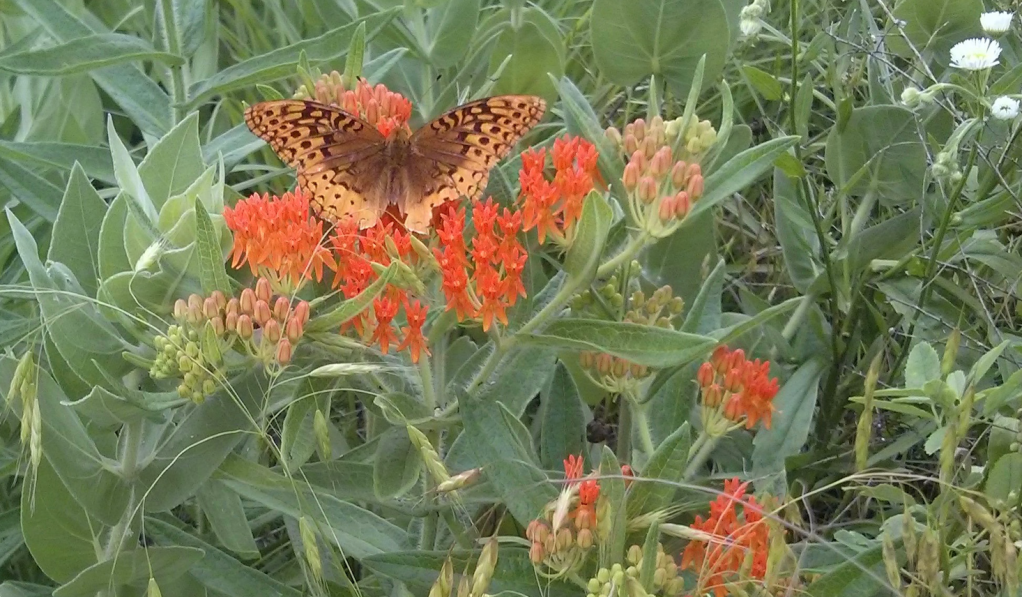
Because if that acorn doesn’t ‘know’, then how exactly did its function or purpose arise – where has its telos come from? Is a ‘source’ for telos even the right question to be asking? Is there some kind of trigger or teleological catalyst? If so, where do we even begin to find it? Insofar as such questions pertain to Science, they also maybe don’t – maybe Science can provide no scope or sense for telos since what I’m asking is profoundly more non-corporeal than the guts of some acorn dissection.
Still, it’s fun to pretend, so maybe let’s imagine thinking like an acorn, with that foresight of ‘My Future as an Oak Tree’. We could also imagine looking back as the wise old oak tree, with that ancient insight afforded by hindsight: ‘Once upon a time…’ Maybe there’s even something to be gained from imagining both perspectives at once – either as the acorn’s ‘early on’ + later on’s ‘the tree’ or else vice-versa.
Here’s another example although quite different, with apologies in advance for shock value… earlier, I mentioned weapons and warfare, so how about a heat-seeking missile. The telos of a heat-seeking missile, we might say, is to shoot down an enemy plane. In order to function, that type of missile – by definition – relies on its target’s radiant heat. So there again is what I mean by imagining more than one perspective at a time – on one hand, the missile, on the other, the target’s heat.
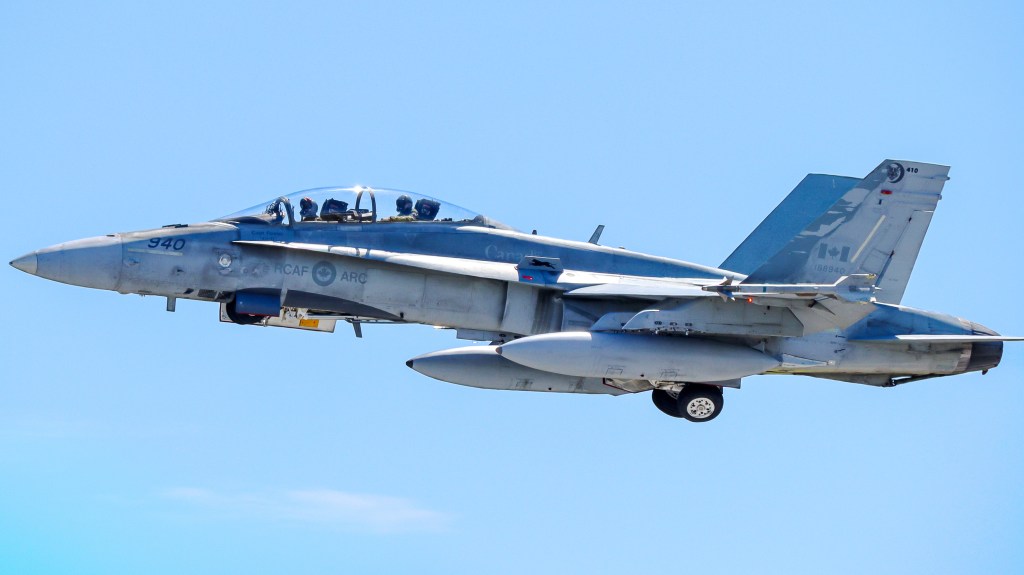
But, as a missile is computerised, this is because people designed and programmed and manufactured it to be that way. That missile is a machine, a very complex contraption, given design and purpose by the people who needed heat-seeking missiles to be just so. Acorns and oak trees, however, along with caterpillars and butterflies… these are extant living creatures.
And the question remains: what intrinsic–slash–what intentional quality resides inside each one of these ‘either/or’ or ‘both at once’ pairings that drives their purpose to fulfillment?
Click here to read Part III. Purpose

 The Rhetorical WHY
3 thoughts on “On Teleology: II. Illustration”