
Featured Still Image: Herbert Lom and Peter Sellers in Blake Edward’s The Pink Panther Strikes Again (1976)
Click here to read Part I. Pedantry
You’re at the park with Sherlock Holmes when a powerful gust of wind blows a tree down. There at your feet now exists the very real consequence of a fallen tree.
Another real consequence is what you and Holmes remember from the experience, and still another is what you now detect in the aftermath… you felt the gust, you heard the crack, you witnessed the fall, and now you puzzle over the remains – well, Holmes puzzles. You’ve been busy with your cell phone, posting pics to Instagram.
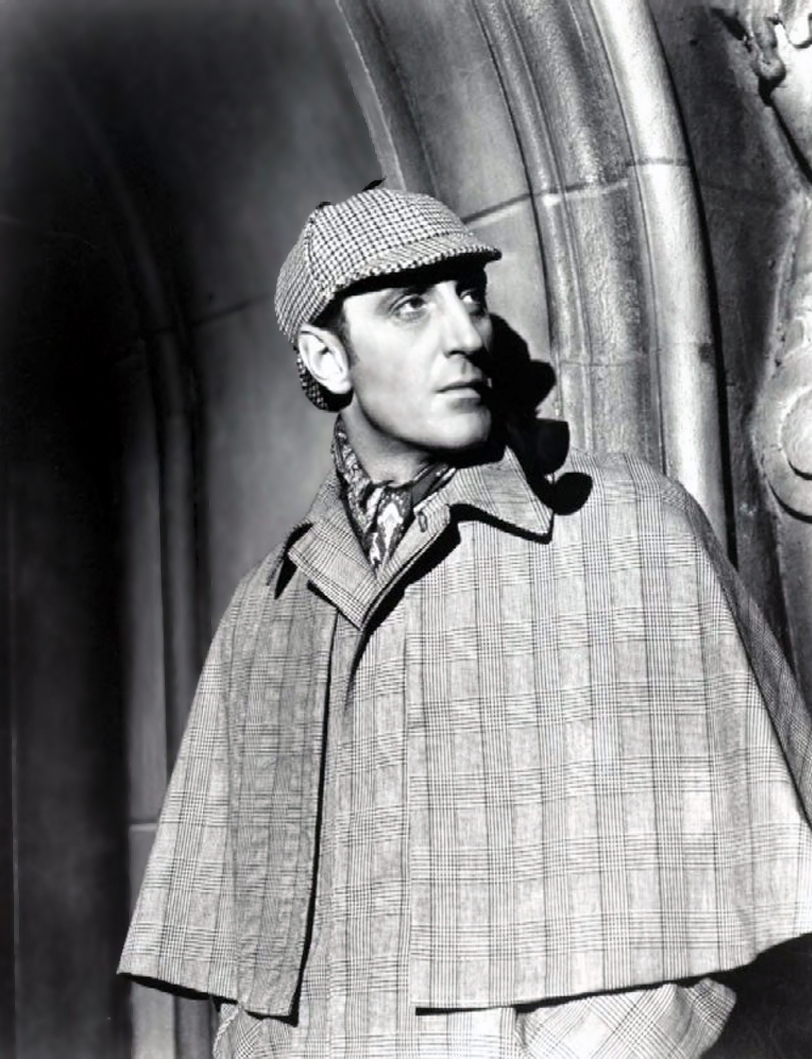
By now some people are gathering, bemoaning how this could ever have happened to such a lovely tree. The local constabulary arrives to interview witnesses and start piecing things together. Holmes urges you to shoo all these aside: this fallen tree is now the best available evidence to investigate, in order to understand the powerful gust of wind. And while there appears to be no crime – as of yet! – in the Case of the Fallen Conifer, even so Holmes is convinced that this fallen conifer and any further consequences must surely add up to something, and he will stop at nothing to reconstruct a composite picture of everything at hand: the event-facts… the ‘clues’, as he calls them.
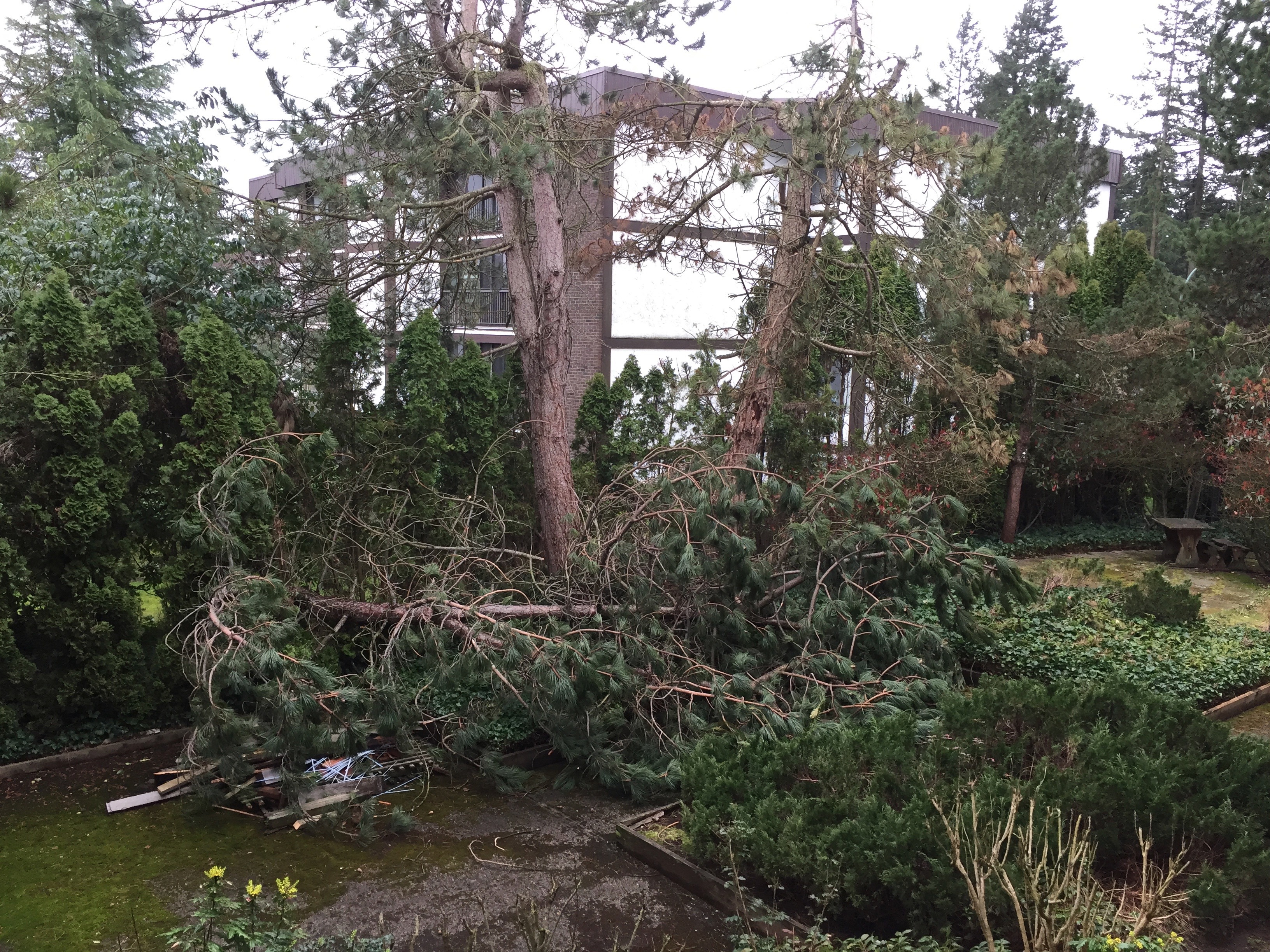
The tree, for instance… there it lies. As well, there are the various recountings from the gathering crowd who, like you and Holmes, were around to feel the gust and hear the crack, if not actually witness the dreadful fall.
p.s. all this seems like inductive work to me, so if we’re going to venerate Sherlock Holmes for anything, how about the magnanimous ‘A’ that finally got added to ‘STEM’.
As to knowledge being situated, yours being yours and mine being mine – which is what got all this started, you may recall – well, there’s plenty to dispute as belief comes to rest upon trust or faith:
Gathering Crowd: “… ‘wind’? ‘Wind’? Anon shall you be telling us you can see this ‘wind’ with your magnifying glass.”
Holmes: “Deny the wind, or deny yourselves. Gormless chunter avails us none – see you not see the swaying branches?”
Gathering Crowd: “Neither swaying, but waving – these are friendly trees. Look, maybe you should just step back and wait for the arborist.”
Alas, that some consequences are plainly apprehended – here lies a fallen tree – while others remain more incomprehensible – who can read the mind of a lunatic?
Thus does Holmes pore over the scene whilst to the constabulary do witnesses report, as well as to the park ranger and a rather concerned arborist in his accompaniment. Eventually, greatly persuaded – arborist or no – and to the great relief of the cynical crowd of gathering cell phones, Holmes deduces induces decides that any effect of wind must be such that ‘wind’ can only be inferred. Having apparently polished his magnifying glass for nothing, ruefully he sets it aplace while drawing intently upon his Calabash. The arborist, meanwhile, has urgently been attempting, if failing, to assure the disdainful crowd that any perceived waving of trees has little to do with friendliness but plenty to do with wind. Evidently, this crowd shares no mood for ‘truth’ in that more factual sense.
Some ‘arborist’: “… this tree was vulnerable to a powerful gust of wind–”
Disdainful Crowd: “You and your fancy credentials, your ‘university education’… and the best you’ve got is some invisible force called ‘wind’?”
Somewhere on the Fringes of the Crowd: “Holmes said ‘wind’, too… It’s collusion!”
Facing such assurance, let’s wrap Example #1 by concluding that ‘truth’, as an entirety, may simply be hard to come by.

And if knowledge really is situated, then anything anyone claims to know is unique, which is really to say partial. But if ‘unique’ makes someone feel special – well, gosh… maybe that’s what’s most important, after all. Except for… if not everyone’s partiality is to be believed to the same degree – which does seem reasonable, mind you, when you’ve got a disdainful crowd apparently backing it up – in that case, we appear destined only to know unique pieces of what is fully true, on account of having to infer and trust what others claim as fact.
Indeed, facts are facts.
And let’s consider ourselves fortunate that this is not ironic. Evidently, though, ‘facts’ of any stripe – genuine or alternative – can still only take us so far… because what really matters is not whether people are factual or, for that matter, even honest… and what really matters is not even someone’s experience. You might infer and report and share facts every day. Meanwhile, what really matters, as a matter of fact, is whether or not the rest of the people believe you.
Click here to read Part III. Comprehension

 The Rhetorical WHY
5 thoughts on “The Nuisance of Nuance: II. Belief”