
Featured Image Credit (edited) by Juncala on Pixabay
Click here to read Part III. Purpose
On Teleology: IV. Source?
Lately – for those who haven’t been following along – I’ve been pondering teleology, using illustrations like students and missiles and acorns, and frames like Science and spirituality.
A missile, seeking its target’s latent heat across miles of airspace, flies at supersonic speed, following a process from launch to strike that takes place in seconds. Highly valued efficiency, very Sciencey: nothing wasted. If anything, that missile seems impatient, even hurried, even hot-tempered. It definitely seems persistent.

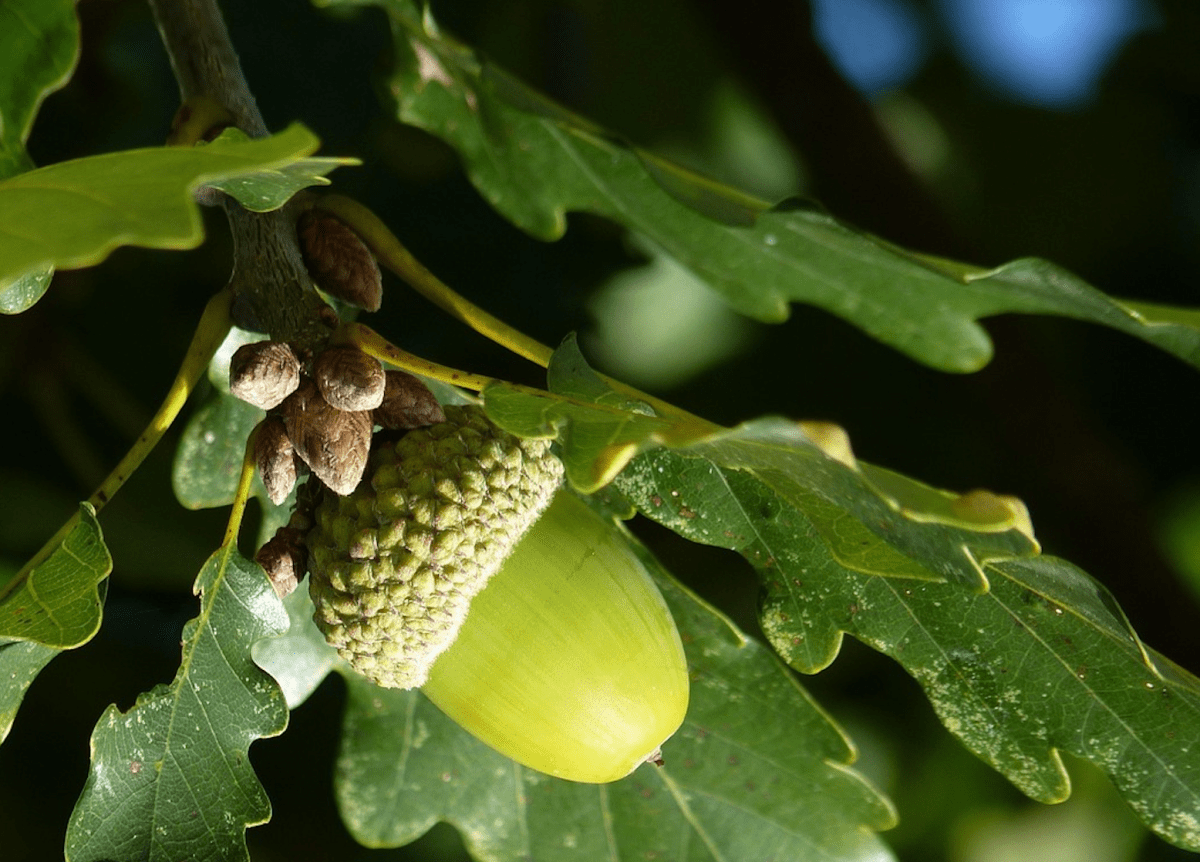
But an acorn spends all summer growing on a branch, and the only thing in its life that takes place in seconds is the fall it makes 20–30 feet into the grass below. There it rests, to spend the next… what, century? gradually rooting to the spot, eventually to become the next oak tree. That seems really patient and enduring, almost unflappable and, somehow, just as persistent as the missile.
So here is a heat-seeking missile that crosses wide-open space in split-second time, and there is an acorn that endures in one precise spot for eons of time… depending how you value things, like space or time, each in its own way might seem very efficient, not a thing is wasted. And each in its own way definitely seems ready-made for purpose.
And even though a missile is built and programmed while an acorn is an extant living thing, if I fire the missile at a suitable target, it should do as expected and destroy the enemy – what it’s designed to do – just as, if I bury it in suitable ground, an acorn should do as expected and grow on its own – what it’s designed to do? evolved to do? …it should do what it does – or at the least, by any reasonable expectation, we can presume it has a fair chance of doing so.
Yet how does an acorn ‘know’ any suitable conditions if I’m the one who chooses where to bury it? Indeed, how does an acorn ‘know’ it can or cannot grow the way it’s supposed to, in any conditions whichever?
During all its time hanging from the branch of a tree, what does an acorn ‘learn’, as it were, about being an acorn and being an oak tree? By analogy, looking back to Part I, imagine a teacher who imparts lessons to students about the adults we envision them to become. From there, whichever adult role a student might come to fill, someone could reasonably suggest the broader or primary telos of students is to become adults who, likewise, take up the mantle of responsibility down the road to ‘build’ students anew… and on it goes, a cyclical telos of growing up: education and adulthood, reproduction and propagation, a kind of recycling source of teleology.
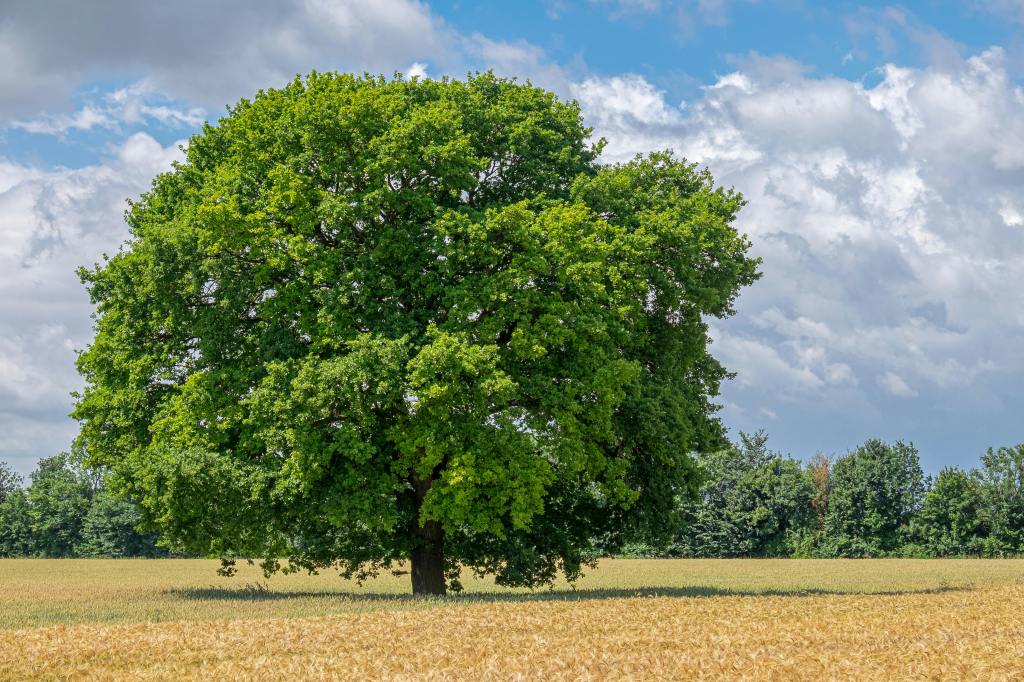
By the same turn, then, what has an acorn had impressed upon it about the right conditions for becoming a tree? In a manner of speaking, we might say every little acorn that falls from every mighty oak belongs to some larger community cycle, some wider-spread lineage, some… ? Well, I was about to say ‘master plan’ but let’s have a care: yes, I’ll grant, back in Part III I did mention ‘spirituality’, but surely ‘master plan’ cannot-slash-must never-slash-won’t ever designate Intelligent Design… not in the Scientific here-and-now of the 21st century.
Would folks feel better if I said ‘grand narrative’?
… or maybe I’m just barking up the wrong tree. Better not even to waste a breath on some “master plan,” some mighty Voice from Above, not when all it has to breathe is “Let slip the Dogs of War upon the innocent purity of Science.” I appreciate you, Science, being unable to prove ‘what is’ but only test ‘what isn’t’, and I’m convinced we can still be friends.
So, in closing, let’s throw Science a bone.

(No kidding… “Darwin Forever” is actually a thing – check it out!) Image Credit: Mathilde
Click here to read Pt. V. Setting




 The Rhetorical WHY