
Click here to read Part II. Belief
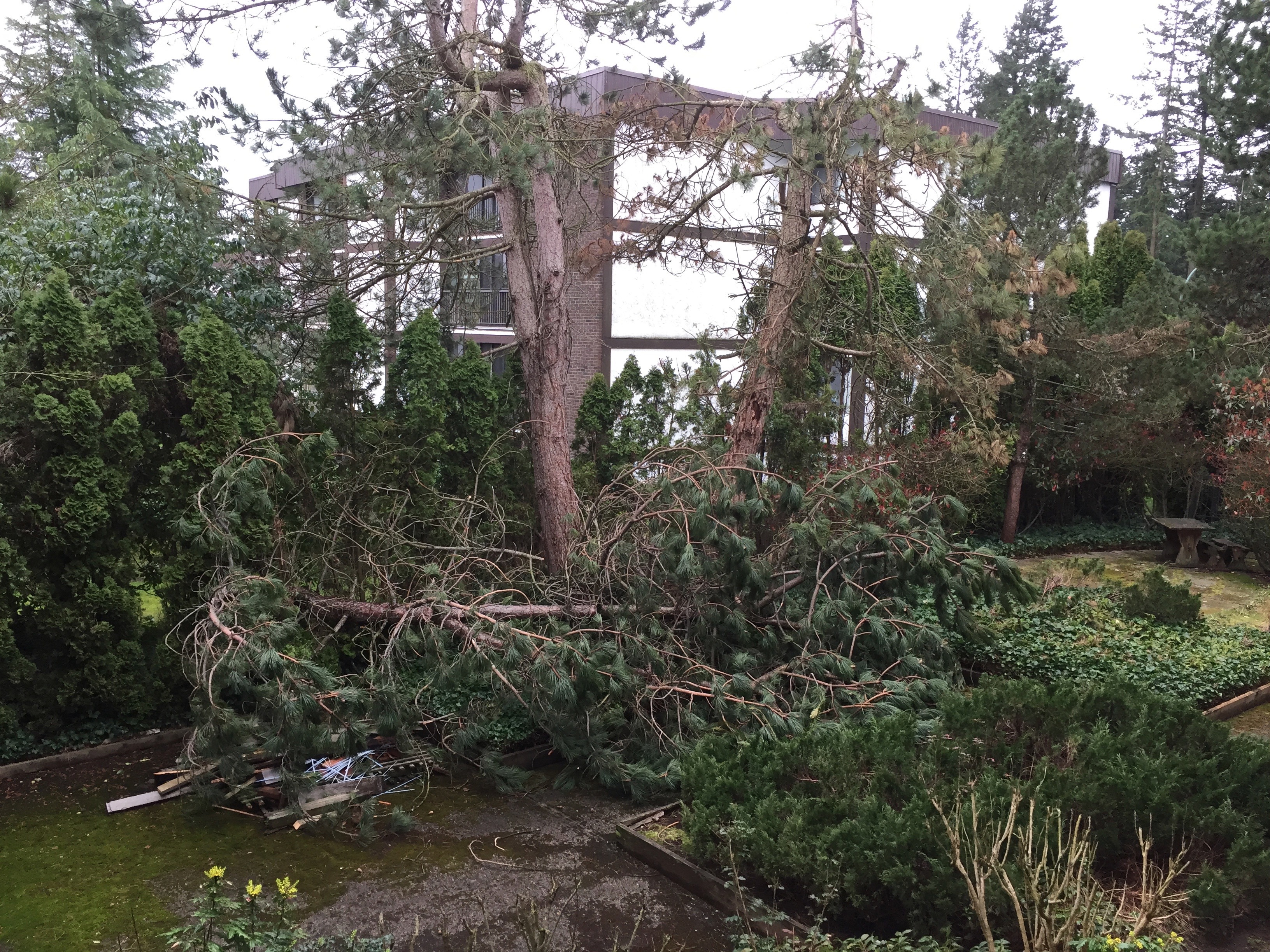
After a storm, a tree has indeed fallen in the park.
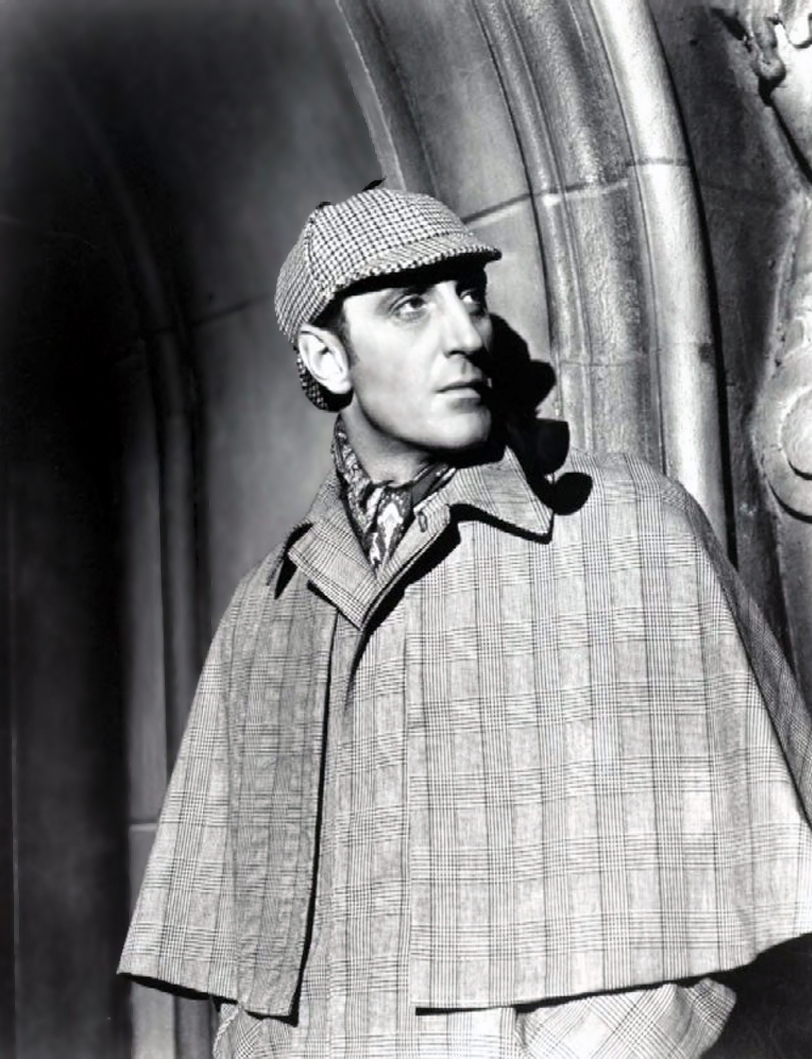
How exactly have we reached some shared understanding of this? On what basis do we actually claim to know that the catalyst for the tree falling down was a powerful gust of wind? Well, we have no video to watch because, while it all transpired, Holmes was busy polishing his magnifying glass, and you were scrolling Reels on your cell phone. And it’s not like we can just flip a switch and reverse time…
But just for kicks, suppose we could. Suppose we could summon the wind by some magical twirl of the fingers, which would mean we could stand the tree back up in order to see it blown down again. Except for… by re-standing the tree and re-summoning the wind, wouldn’t we now be performing an experiment? Wouldn’t we now be responsible for the tree falling down?
Maybe we’d better leave aside fanciful control of natural forces and simply return to the park, where one is apparently able to find these powerful gusts of wind on a semi-regular basis. Who knows, maybe we’ll see a second tree fall down in a second wind storm… although, granted, that would be different and not, according to Hoyle, the ‘same’ exact experience. On the other hand, two trees falling in the same park is not exactly incomparable either. Anyway, supposing we did feel another powerful gust, and hear that ominous crack, and see a second tree fall down… supposing all that, what conclusions might we reach about any fallen tree?

OK, but for anyone to say, “Wow, the wind just blew down that tree!” seems awfully presumptuous for leaving out a pile of background info: roots, trunk, soil. Wind is just one of many factors that might account for a fallen tree… assuming it’s understood well enough, to begin with – remember that ‘arborist’ who stopped by to investigate? Or how about insects or disease, or even the previous six months of weather?
Meteorologist: “… you can see this big system of low pressure just hovering offshore, and that’ll bring a lot of moisture over the next twelve hours. Small craft advisory, and – yikes! – watch out for those gale force winds gusting from the northwest…”
Disdainful Crowd: “I mean, it’s probably all green screen.”

Evidently, when you’re left trusting two self-important college grads – some know-it-all ‘arborist’ and this MSM MeteorMan – hey, it might be ‘this’ scientist or ‘that’ one, but it’s all still just ‘same scio, different pile’, if you know what I mean. Besides, who trusts some self-important college grad? Aren’t they all just approved by self-important college profs? Plus, how can anyone know a correct or incorrect fact anyway? I think that second kind is even an oxymoron.
Beyond some wide consensus, what’s correct about ‘truth’? Well, how do we live as a collective if beholden to the venerate individual? Surely the answer to such questions implicates what we’d consider to be knowledge. Except for… I keep having to remember that knowledge is situated. Yeah, well, if knowledge really is situated, then knowledge is reliant not upon fact but upon perspective and belief – and memory – or at least that’s the way it seems to me. If ‘knowledge’ is internal and inherent then, by definition, ‘fact’ is something we only agree via shared knowledge because how else could I know what you experienced? So as you can only lead a horse to water, and all, if we’re really set to agree upon ‘truth’, it might just be simpler if we changed the definition of ‘fact’.
Then again… agree on ‘truth’ – why? Surely this is why Science has its theories because theories are a way toward explaining what is inferred about ‘truth’ in light of what’s apparent – in light of fact – and if deduction is the chicken, let induction be the egg. What’s more, theories are meant to be not only incomplete but tested: deliberate collections of a priori knowledge assembled and measured by a posteriori knowledge. And now I have in mind deduction, not induction, so put away those magnifying glasses and save your best tweed. But hat-tip for the distinction between apprehension and comprehension: the former is more immediate and discrete, at my fingertips, a sense that something is the case; the latter transcends and perdures by contemplation, some fuller knowledge about whatever it is we’re sensing.
So as we all stand here in the park, apprehending the fallen tree: for goodness sake, here lies the tree! You can touch it, kick it, sit on it, chop it up for firewood. And we all felt the gust of wind, all heard the roots crack, all saw the tree tilt and crash to the ground – well, surely someone did because we finally turned up some cell phone footage – all of which starts to mean that anyone who denies the fact of this fallen tree is plainly a lunatic.
… which starts to mean, upon further contemplation, that someone among us can, in fact, be wrong – W – R – O – N – G – when they proclaim some belief that is factually incorrect:
Fallen Tree Denier: “Here stands a tree.”
Disdainful Crowd: “… er, CGI?”
Standing next to the fallen tree, any denial is obvious nonsense, apprehending the infamous “alternative fact.” However, as someone might comprehend the fallen tree, well… that could pose a reasonable dispute and deserve a hearing, particularly as it might rest upon some theory warranted by knowledge of the apprehended facts… or no, wait, that should be “… warranted by any belief about apprehended facts.”
But, as to when those beliefs were determined to be correct or incorrect, well… yes, it is possible for someone’s beliefs to be factually correct, after the fact, and that is one thing. But before the fact, no belief whatsoever can either proclaim or preclude ‘truth’, not even a popular belief, and that is entirely something else.
Click here for Part IV. Will






 The Rhetorical WHY